Ram Gopal Varma’s Raat, also known in Telugu as Raatri, is a 1992 supernatural horror film starring Revathi, with Om Puri and Akash Khurana among its cast. Rather than beginning in a distant castle or an explicitly supernatural landscape, the story brings a family into a house where unexplained events gradually make domestic life unsafe.
The home as a source of suspense
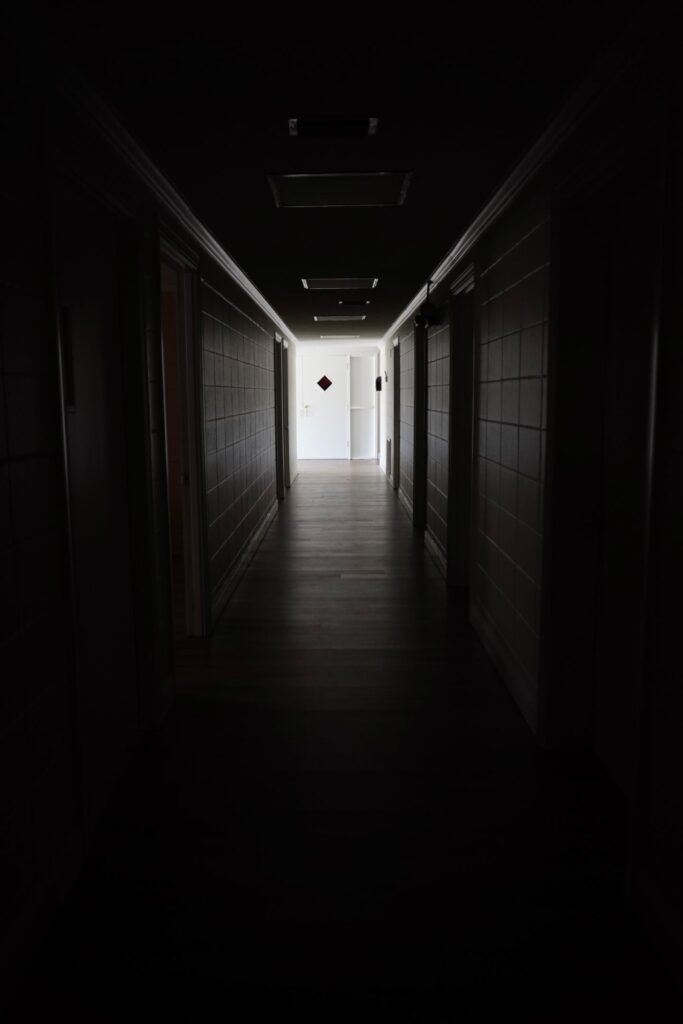
The premise works because a home carries expectations of familiarity and security. A horror film can make a corridor, a door or a quiet room feel threatening without relying on elaborate monster imagery. The question of whether a disturbance has a natural explanation can remain active even when the characters begin to suspect possession.
Revathi’s central role gives this kind of storytelling a human focus. The threat is not an abstract presence alone: it changes the relationships between family members and their interpretation of ordinary behavior. The film’s movement between familiar routines and fear is an important contrast to more spectacle-oriented horror.
Between Hindi and Telugu cinema
Raat was made in both Hindi and Telugu. That production context is useful for understanding how Indian genre cinema circulates across language markets. A film identified only by an English transliteration may appear under different titles in catalogs, reviews and distribution records. The Hindi title Raat and Telugu title Raatri should therefore be kept together in film research.
The Hot Spot’s current review of Bhoot explicitly places that later film in conversation with Raat. Its review of House No. 13 also names Raat when discussing efforts to renew Indian horror. Those references establish a meaningful relationship within the history of the publication’s genre coverage.
A useful viewing comparison
Watching Raat alongside a later urban supernatural drama encourages attention to what changes when fear moves into recognizable living spaces. Consider the timing of a sound, the amount of information a shot reveals, and the gap between what a character understands and what the viewer suspects. These are practical elements of horror form, regardless of whether the effects are elaborate or restrained.