A film can disappear from regular circulation while the objects that once advertised it remain in a collector’s cupboard. A folded poster, a booklet of songs, or a lobby card may be the first encounter a younger audience has with a production made decades earlier. These objects invite a different kind of film criticism: looking at how a movie was presented before anyone sat down to watch it.
The promise outside the theater
A poster has a practical task that a film does not. It must attract attention before the audience knows the story. Size, contrast, facial expression and the relationship between figures have to work at a distance. A close portrait may promise the presence of a star; an arrangement of smaller scenes may promise a film with action, romance and spectacle. None of these devices necessarily tells us what the film actually looks like. They tell us what its promoters believed was worth emphasizing.
For Pakistani cinema, the painted advertisement deserves attention in its own right. Research published as Pakistani Film Poster Art examines its development as a form of commercial communication and the way film genres are represented through poster imagery. This makes a poster useful evidence not just of a film’s existence, but of the visual conventions through which a film was sold.
How to read a poster without mistaking it for a film still
Start with the title and language. Look for alternate spellings when searching a catalogue: Romanized Urdu and Punjabi names often vary. Next, identify which names receive the largest type. The arrangement can suggest a marketing hierarchy, although the prominence of an actor’s name does not establish their precise role in a film. Look at the relationship between faces, clothing and settings. A figure may appear more dramatic in paint than in the corresponding sequence.
Finally, separate what is visible from what is inferred. If a print carries a release date, record the date as printed. If it does not, avoid filling the blank from memory. When a poster contains a weapon, a romantic pair and an ornate interior, these may indicate the advertised mixture of genres; they are not proof of a particular scene or storyline. The distinction becomes particularly important when the film itself cannot be viewed.
What collections can tell us
The Pakistani Film Ephemera Collection at Princeton University Library brings together posters and related publications. An institutional catalogue makes it possible to compare items rather than rely on a single familiar image. A reader can search by title, examine catalogue metadata and note similarities between advertising styles. A poster’s physical size, printing method and condition can also be meaningful parts of its history.
Collections have limits, too. An item’s presence does not demonstrate that every release used the same design. A missing poster is not evidence that no poster was produced. A surviving object can represent a reissue, an export market or a later printing. For that reason, a good description identifies the particular object instead of presenting it as the definitive image of a film.
Genre and the changing face of popular film
Consider the different visual problems posed by a romance and a horror picture. Romance advertising often has to communicate a relationship, emotional distance or an obstacle. Horror can advertise mystery through shadows, a threatening shape or a partly concealed figure. An action film may organize the image around physical confrontation. These are possible readings, not rigid rules. Many commercial productions combine several traditions, and their advertisements can draw on more than one visual vocabulary.
In a film review, the poster can therefore be an interesting point of comparison. Does the film deliver the tone promised by the image? Does a secondary character dominate the advertisement? Does the marketing make a familiar story appear new? Such questions can connect visual design with the experience of watching a film without claiming that the advertisement is a neutral summary.
The craft and its afterlife
The decline of a commercial technique need not mean the disappearance of its influence. Aurora’s account of Pakistani poster artistry describes the work of cinema painters and the pressures they faced as the industry changed. A modern designer may borrow the strong diagonals, exaggerated scale or contrasting colors associated with painted publicity. Those choices can be understood as a dialogue with earlier design traditions, rather than as a literal reconstruction of them.
It is equally important to recognize the people behind these objects. An unsigned poster is not necessarily an anonymous work in the sense that no artist existed. It means the artist has not been identified from the available evidence. Recording a signature, a printer’s imprint or a collector’s provenance helps build a more precise account of the material.
A practical way to build a viewing notebook
For a film you are researching, record its title, year, language and the source of each detail. Make a separate entry for every poster edition you encounter. Describe composition and typography in your own words, and note whether you have seen the film. If different sources disagree, preserve the disagreement until it can be checked. That approach is slower than assembling a gallery of attractive images, but it creates a record that other readers can evaluate.
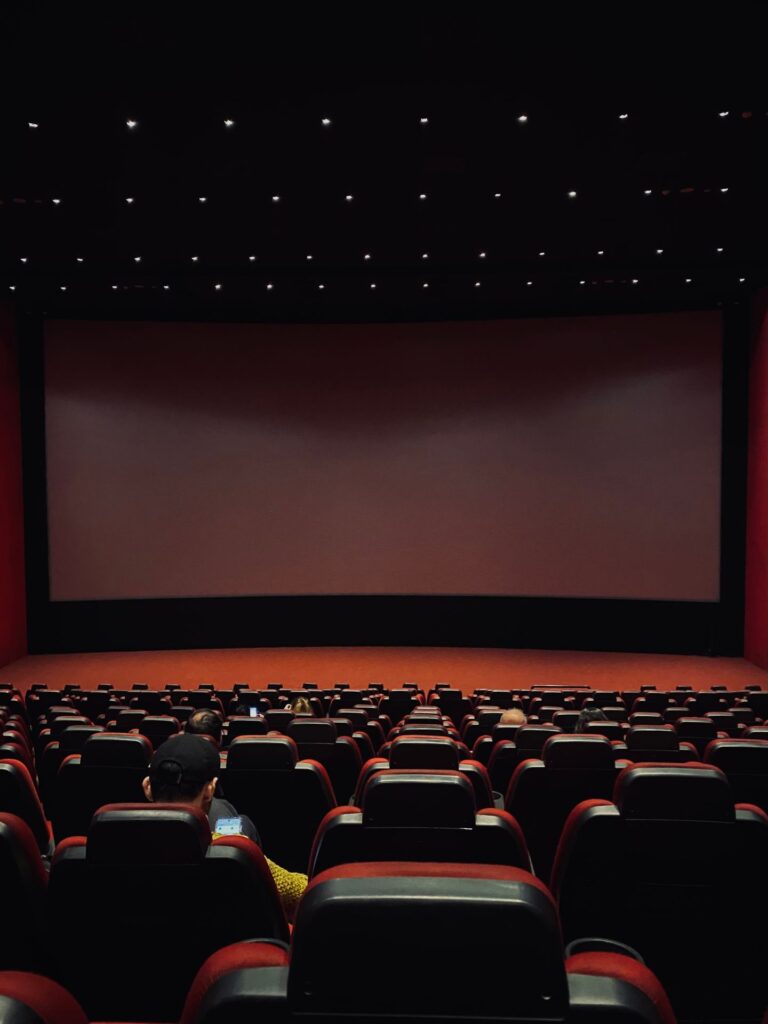
Reproduction rights are another separate question. A picture available in a digital library is not automatically licensed for unrestricted reuse. Consult the rights statement for the particular object and link to the collection when permission is uncertain. A contemporary photograph of a cinema can illustrate an article about exhibition, provided it is not presented as evidence of a specific historical theater.
The real value of film ephemera is the way it makes cinema history tangible. It turns an abstract list of titles into evidence of visual labor, audience expectations and the everyday business of showing movies. The next time an old poster catches your eye, look beyond the central figure. The margins, the lettering and even the marks left by folding may tell a story that the film alone cannot.